
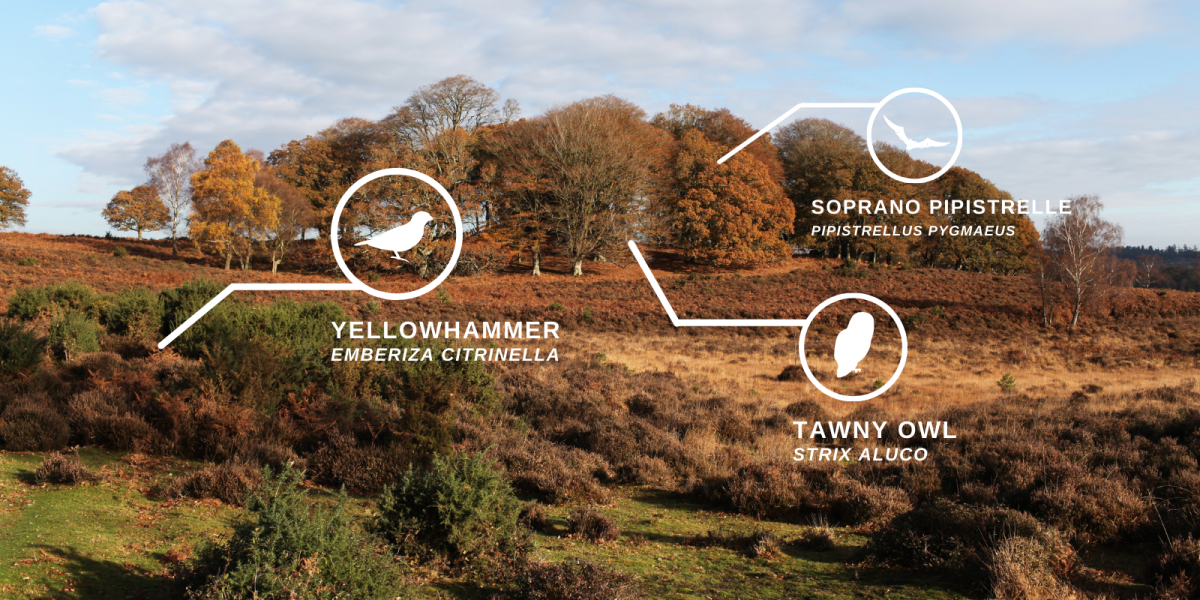
Bioacoustics is a biodiversity monitoring technology which is well suited to supporting Biodiversity Net Gain (BNG) assessment for many reasons.
As a result, many BNG organisations are performing bioacoustics surveys to enhance their BNG ambitions.
Why have Nature Capital or BNG?
The reason nature capital markets and biodiversity net gain exist at all is because people want to see improvements to nature and to prevent further damage.
It is as simple as that. If there was no demand from the wider population then there would be no motivation for organisations to restore nature on their behalf.
This diffuse demand (or political will) from the general populace exists to see improved nature. But unfortunately it is not that easy satisfy that demand with one physical product or one simple service against which there is a fixed price attached.
Unfortunately (or fortunately) Nature is a wonderful complex system of complex systems, so securitising it and slapping a price per unit is difficult. But in order to harness the self-reinforcing powers of (economic) supply and demand, there needs to be some quantification of the biodiversity to evidence for what money is changing hands.
This is especially true for Biodiversity Net Gain, because to see a Net Gain you need a measurable improvement. (That’s not a groundbreaking sentiment but always good to reiterate.)
This is where private markets with a focus on nature capital come in. Taking that wider demand (or political will) and creating products or services that transfer capital towards nature restoration schemes.
But what do you get for your money? How does a customer know they are getting improvements in nature. Ideally this would come in the form of accessible, repeatable, and cost-effective data….
So why is bioacoustics a good fit?
1. It actually measures biodiversity.
Whether that’s birds, bats, or other species groups with unique vocalisations, a bioacoustic survey can produce reports with the lists of species detected. This contrasts with other methods used in BNG surveys which may only use proxies like habitat classification. Potentially ignoring underlying factors which might suppress biodiversity. (e.g. poor water quality in what should otherwise be healthy wetland areas)
2. It can be easy to deploy (without specialist knowledge)
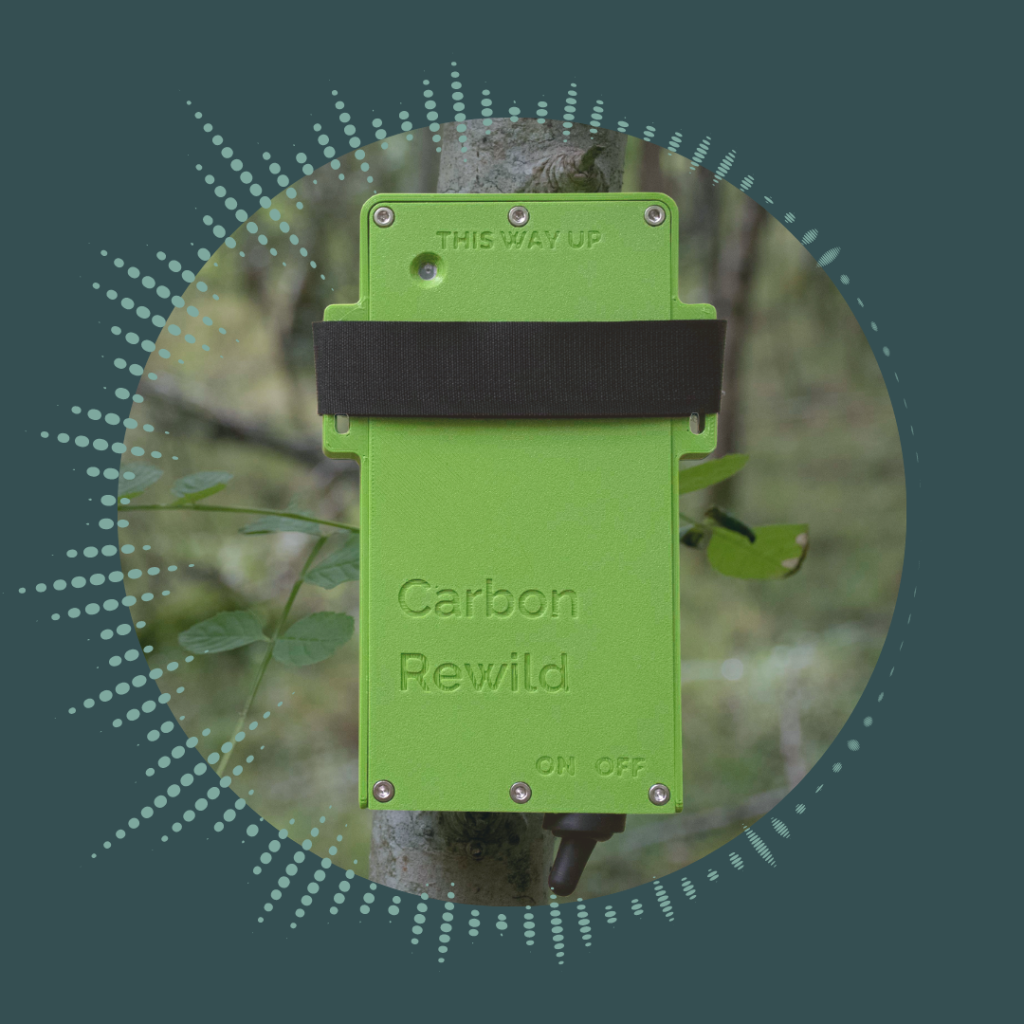
– Scalable: the land manager can deploy the recorders themselves – especially with Carbon Rewild’s easy to use recorders! This enables the technology to cover a large area without specialists (which are in limited supply).
– Repeatable: if the same equipment and survey parameters are used then consecutive surveys can be compared easily. This is important when quantifying change.
– Cost effective: deployment by the land manager keeps costs down as well as having a streamlined data handling and analysis process back at Carbon Rewild HQ.
3. Extra insights possible
– Not only can you identify the species which vocalise via bioacoustics you can also start to understand their behaviour.
– Birds for example will sing (as opposed to calling) at different times of year for the purposes of breeding or marking territory, therefore indicating breeding in the area near the recorder.
– Furthermore, the rate of calling can be indicative of how much a species is frequenting an area and possibly is an indication of population density
4. Data is storable and auditable.
– The audio data from a survey can be stored for the long term if required. Thereby enabling re-analysis or re-certifying at a later date if regulations change.
– Furthermore, critical data (e.g. species identifications) can be attached to BNG applications to directly evidence the presence of certain species.
The technology and the knowhow is already in place for using bioacoustics for BNG. This is a very fast moving area and we are seeing increasing interest of BNG organisations in using bioacoustics to support and futureproof their BNG applications.
Introducing BNG+
BNG+ is the idea that organisations are feeling the need to go above and beyond the existing BNG guidance in order to reinforce their evidence base.
The BNG methods are new and although guidance does exist, as adoption and scrutiny increases organisations can feel that some extra data insurance is required to help with that uncertainty.
Not only does it provide a level of assurance but there other benefits too:
- Futureproofing: if requirements for BNG change or consumer sentiment become more skeptical then that extra evidence may come in handy to demonstrate you have always been acting to improve nature.
- Baselining: The starting point of any BNG project is critical as it is what everything else is measured against. Thereby getting an accurate and representative baseline is key. This is not just true for bioacoustics. But as outlined above the auditability of bioacoustics data can help in this regard.
- Qualitative Evidence: bioacoustics is great for hard data, but it also sends the message that you are taking this nature restoration project seriously and want to go about it in the correct manner. This qualitative evidence could be used in marketing and comms directly to end purchasers of any credits, who may use those same comms for their own customers. Furthermore it can signal to investors or regulators that you are a trusted partner.
- Improved Nature Practice: bioacoustic survey results can plug directly into the land management practices enabling improved nature management. This can then give you confidence you are doing the right thing and may even speed up the nature recovery process.
There are many benefits to using bioacoustics to support BNG, please get in contact via our contact page or via at hello@carbonrewild.com if you would like to know more.